

京都着物レンタル夢館

2026年9月7日
投稿者:チョツィサン
The Kanei Gyoko of 1626: The Cultural Golden Age That Shaped Kyoto
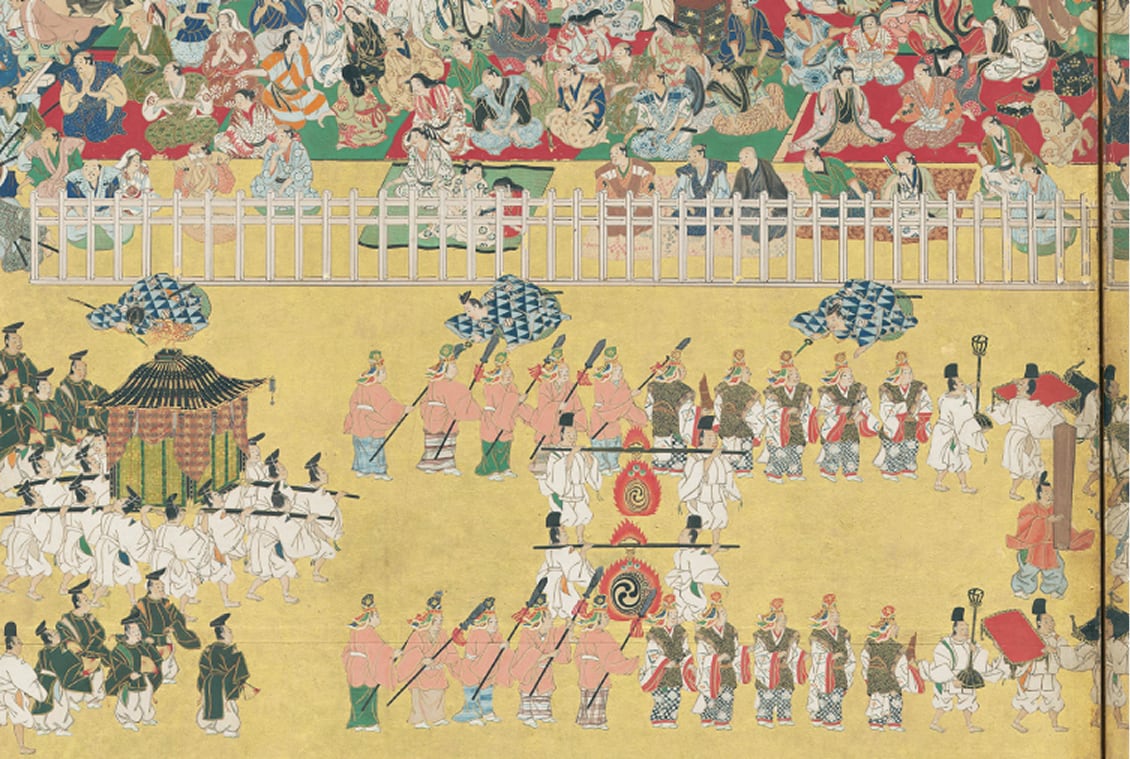
When you think of traditional Japanese arts—from elegant tea ceremonies and exquisite floral arrangements to stunning kimono patterns—much of this aesthetic was refined during a specific, golden era in Kyoto. At the heart of this cultural explosion was a breathtaking 5-day event in 1626 known as the Kanei Gyoko (寛永行幸).
As we celebrate the 400th anniversary of this historic event, let’s look past the samurai politics and dive into the magnificent culture, art, and people that made the Kanei Gyoko a turning point in Japanese history.
A 5-Day Festival of Supreme Hospitality
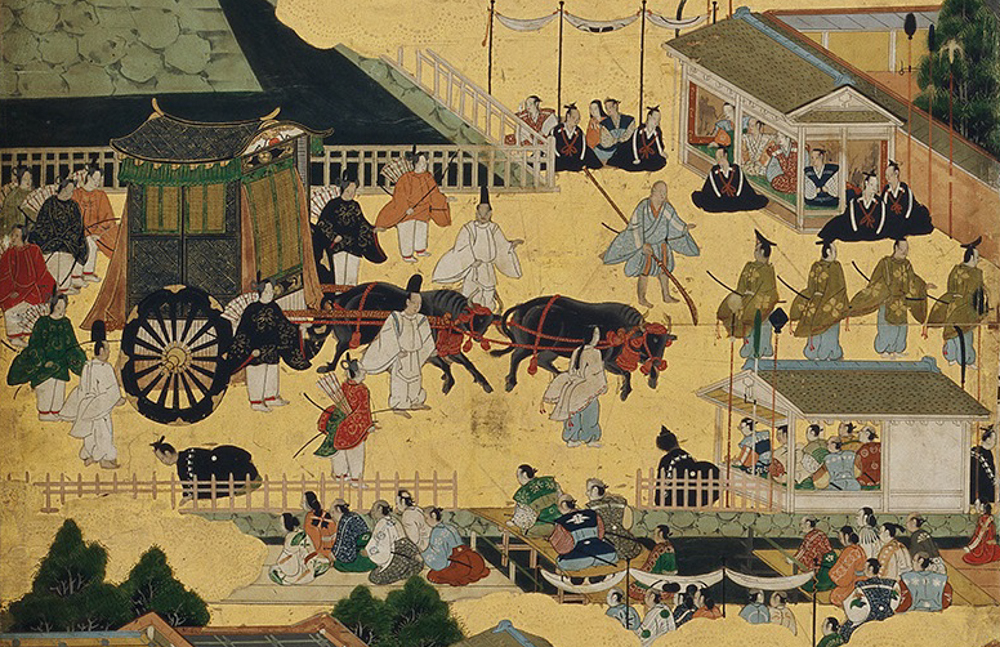
In September 1626, the Tokugawa Shogunate invited the 108th Emperor of Japan, Emperor Go-Mizunoo, for an unprecedented royal visit to Nijo Castle. Following a massive parade of over 9,000 people from all walks of life, a spectacular 5-day festival commenced.
The Shogunate provided the absolute pinnacle of hospitality. The days were filled with:
- “Golden” Banquets: The Emperor dined on lavish Honzen-ryori (traditional formal meals) using solid gold tableware, surrounded by gold and silver decorations.
- Court Music and Dance (Bugaku): Elegant traditional performances filled the halls of the castle.
- Poetry and Games: Nobles engaged in Waka poetry gatherings, horseback riding, and Kemari (a traditional aristocratic ball-keep-up game).
- Noh Theater (Sarugaku): This event helped cement Noh theater as an indispensable part of official ceremonies for the shogunate.
The Visionaries Behind the Culture
The Kanei Gyoko wasn’t just an event; it was a gathering of some of the most influential cultural figures in Japanese history. These individuals formed high-society “salons” that transcended social classes, blending the elegance of the Imperial Court with the spirit of the samurai and the wealth of merchants.
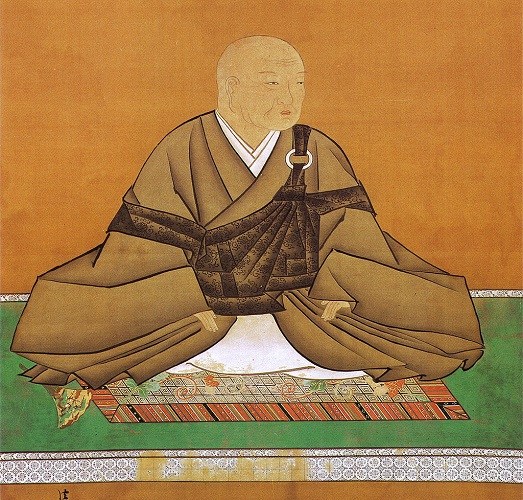
- Emperor Go-Mizunoo (The Cultural Godfather): A master of poetry, calligraphy, and flower arrangement, he was the true patron of the arts. His aesthetic sensibilities deeply influenced the “Kanei Culture” that blossomed during this era.
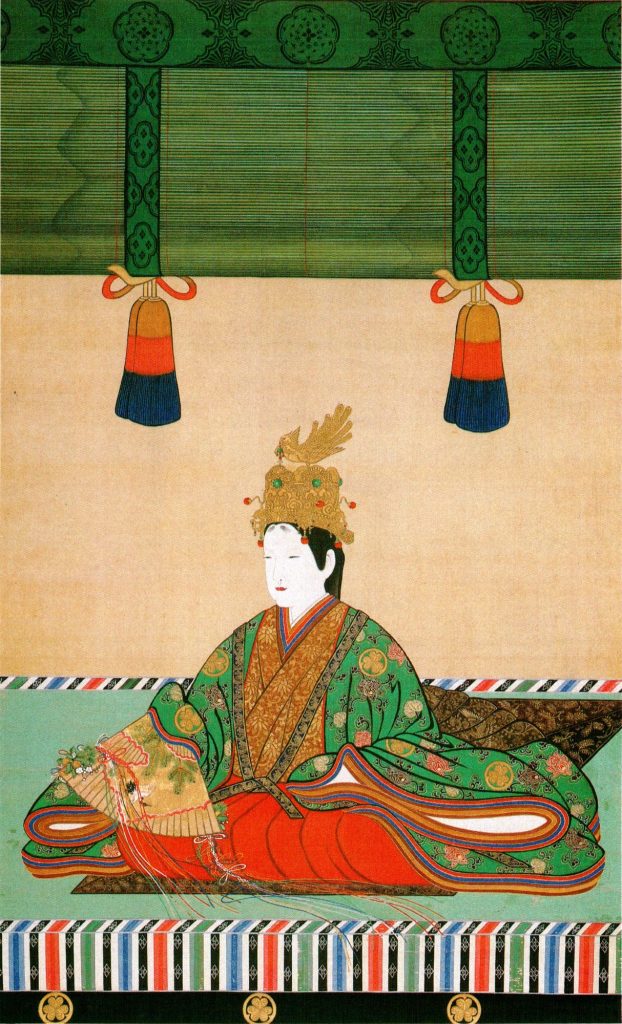
- Tokugawa Masako (The Fashion Leader): The Shogun’s daughter and Emperor’s wife. She had a passion for lavish designs and frequently ordered beautiful kimono from Kyoto merchants. Her style inspired a massive trend known as Gosho-zome (Imperial Palace dyeing).
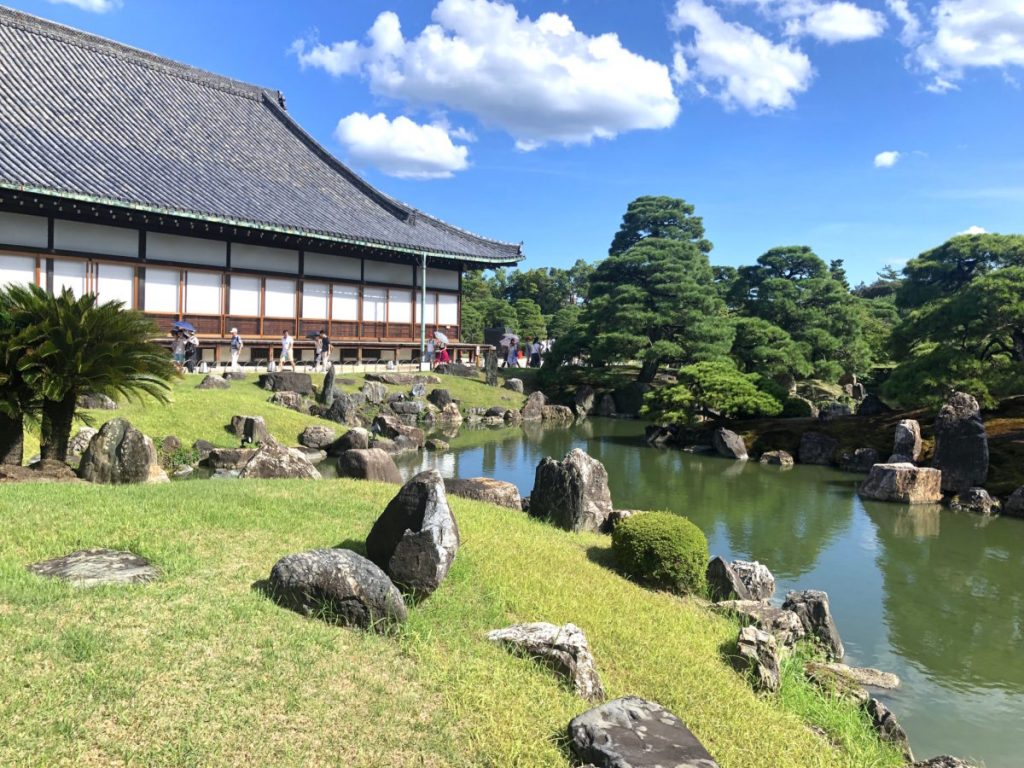
- Kobori Enshu (The Master Producer): A samurai, master of the tea ceremony, and legendary architect. He was the mastermind behind the “Great Kanei Renovation” of Nijo Castle, designing the magnificent Ninomaru Garden to be viewed perfectly from both the Shogun’s and the Emperor’s quarters. His refined tea ceremony style, known as Kirei-sabi (graceful simplicity), remains highly influential.
The Legacy of the Kanei Renovation
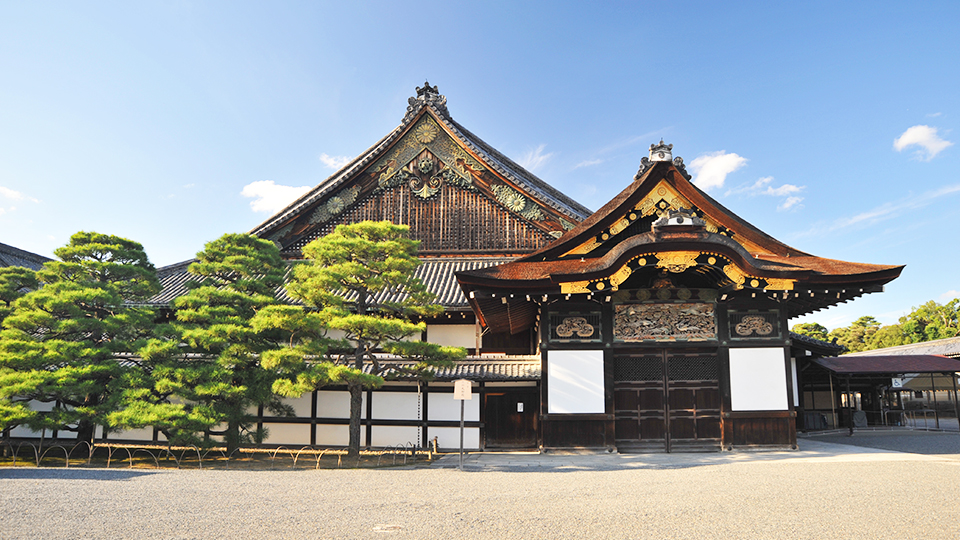
To welcome the Emperor, Nijo Castle underwent a massive, 2-year expansion directed by Kobori Enshu. They added new moats, a towering five-story keep, and exquisite gardens. The Shogun’s residence, the Ninomaru Goten, was decorated with over a thousand brilliant wall paintings by the prestigious Kano school of artists.
Today, the Ninomaru Goten is the only surviving shogunal palace in Japan and a designated National Treasure. As a UNESCO World Heritage site, Nijo Castle allows us to walk the very same halls where Emperor Go-Mizunoo and the Tokugawa Shoguns celebrated 400 years ago.
With the 400th anniversary of the Kanei Gyoko, a wide array of commemorative exhibitions and cultural events are set to launch across Kyoto in the coming months. Search online using your favorite search engines to find full details and schedules for these upcoming exhibitions!
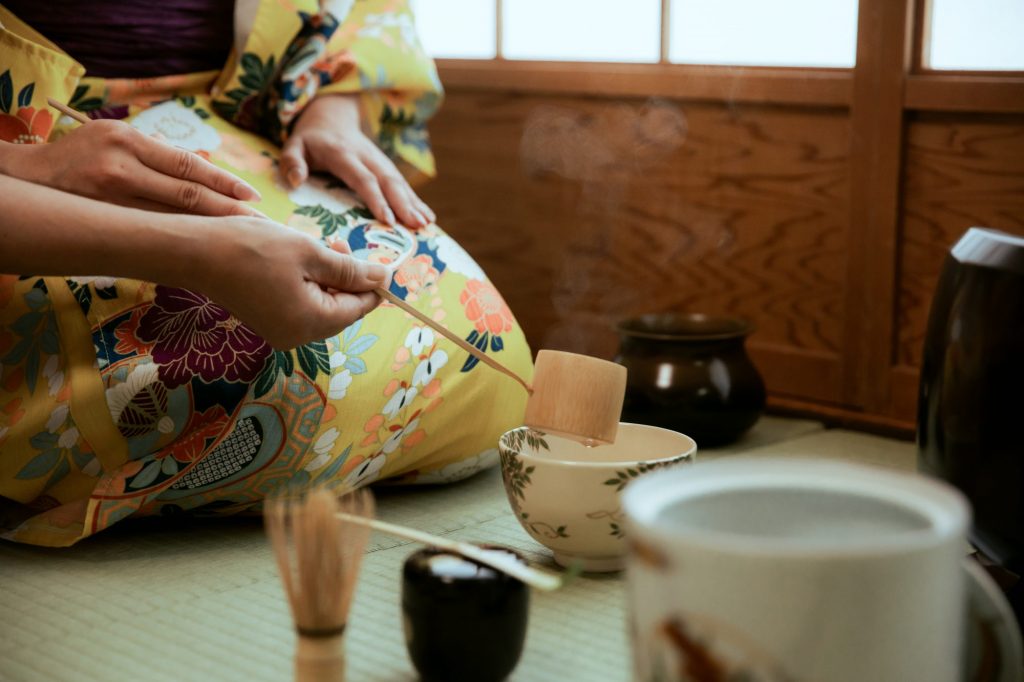
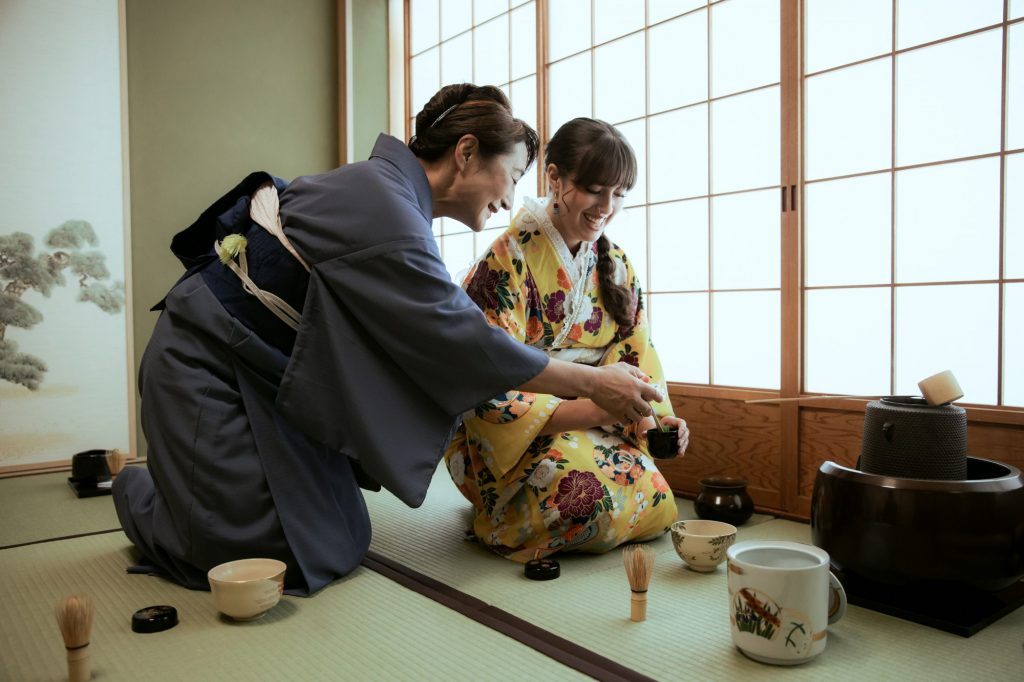
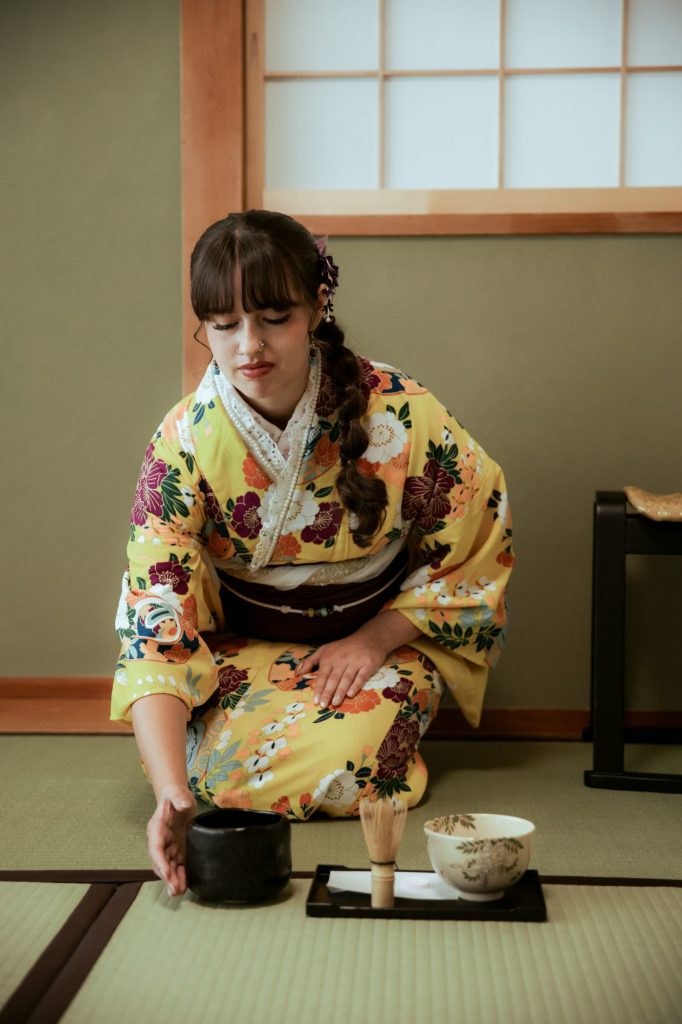
To make your cultural journey truly unforgettable, we highly recommend attending these events dressed in traditional Japanese attire. You can also join our authentic tea ceremony experience right here at our store! Dressed in a beautiful kimono while savoring a bowl of freshly whisked matcha allows you to fully immerse yourself in Kyoto’s ancient atmosphere, giving you the magic of feeling like you’ve traveled back 400 years to take part in this phenomenal historical celebration yourself.
⇩⇩Make Your Reservation Now!⇩⇩
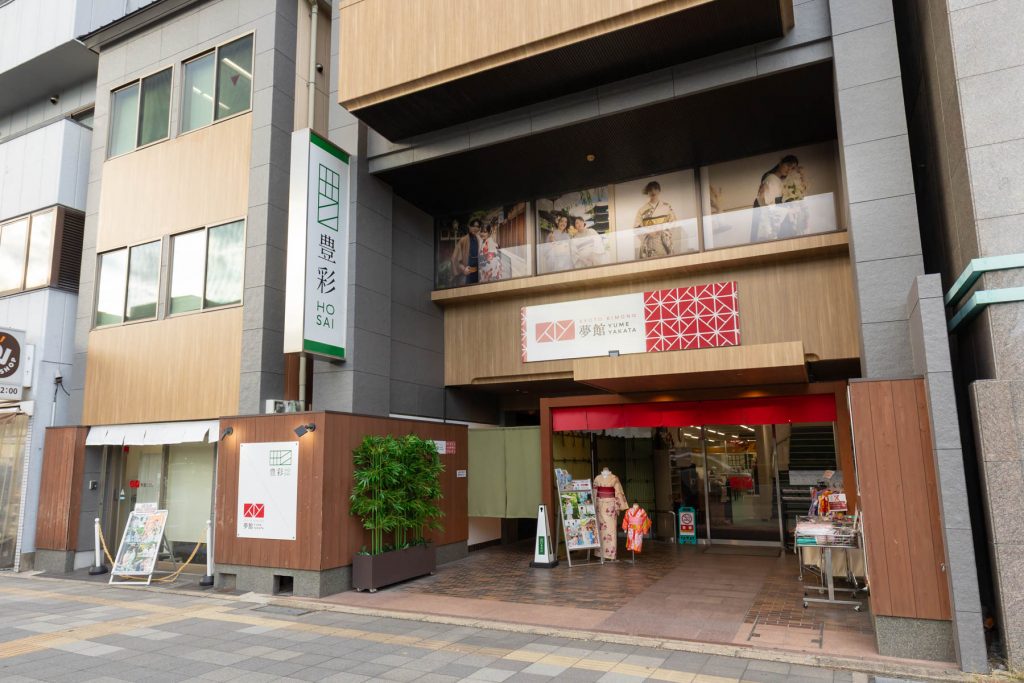
〒600-8103 353, Shiogamacho, Shimogyo-ku, Kyoto-shi, Kyoto Japan
Phone:075-354-9110
Email:info@yumeyakata.com
Closed on:31st Dec to 3rd Jan
Business Hours10:00 ~ 17:30(entry by 4pm)